
The best dog training treats are small, soft, and so tasty your dog will do anything to earn one. In positive reinforcement training, the treat is your paycheck to your dog, and a boring paycheck gets boring effort. As a certified professional dog trainer, I have gone through more treat brands than I can count, and the right one genuinely speeds up how fast your dog learns. This guide shares the exact treats I reach for and why.
We will cover what makes a training treat effective, how to match treat value to the task, and my top picks for 2026 across every budget and diet. Every treat here fits the golden rules of good training: tiny, quick to eat, and irresistible. Let us find the one that turns your dog into an eager learner.
Smarter Paws Academy is reader-supported. When you buy through links on our site, we may earn an affiliate commission at no extra cost to you. As an Amazon Associate, I earn from qualifying purchases. Thank you for your support!
Last Updated: September 2026. This guide is regularly reviewed for accuracy by Sandie Calloway, CPDT-KA.
Important Health Disclaimer
The information in this article is for educational purposes and reflects my experience as a certified dog trainer. It is not veterinary advice. Treats should make up no more than 10% of your dog’s daily calories. Please check with your veterinarian about your dog’s diet, allergies, and any health conditions before adding new treats.
Key Takeaways: Best Dog Training Treats
- Smaller is better. A pea-sized treat lets you reward many times without filling your dog up or slowing the session.
- Soft beats crunchy. Soft treats are eaten in a second, so your dog stays focused instead of hunting crumbs.
- Keep treats under 10% of daily calories. Use tiny, low-calorie treats so heavy training days do not upset the diet.
- Match value to difficulty. Use ordinary treats at home and save the high-value stuff for hard, distracting places.
Prefer to Listen? An Audio Overview
For a quick, practical rundown of picking the right training treats, press play below.
Runtime: 1:15
View Full Audio Transcript
Narrator: Welcome to the Smarter Paws Academy audio overview. Sandie, treats seem simple, but trainers are picky about them. What actually makes a good training treat?
Sandie Calloway: Three things. It has to be small, soft, and something your dog goes crazy for. Small so you can reward a hundred times without a full belly. Soft so it disappears fast and your dog looks right back at you. And high value so the effort feels worth it to them.
Narrator: You mention value a lot. What does that mean in practice?
Sandie Calloway: Value is your dog’s opinion, not the price tag. A dry biscuit might be fine on the living room floor, but the second you go to a busy park, you need the good stuff, real chicken, freeze-dried liver, something they rarely get. You pay more for harder work.
Narrator: And people worry about the calories.
Sandie Calloway: Fair worry. Keep treats to about a tenth of daily calories, pick treats that are just a few calories each, and break bigger ones in half. On a big training day, trim the dinner bowl a little. It balances out.
Narrator: Small, soft, high value, and calorie-smart. Simple.
Sandie Calloway: That is the whole secret. The right treat makes training feel like a game your dog wants to win.
Table of Contents
What Makes a Good Dog Training Treat?
A good training treat is small, soft, quick to eat, and highly motivating to your specific dog. Those four traits let you reward often and keep your dog engaged, which is the engine of positive reinforcement. Size and speed matter because training is about repetition, and every second spent chewing is a second of lost focus. The treat should vanish and leave your dog wanting the next one.
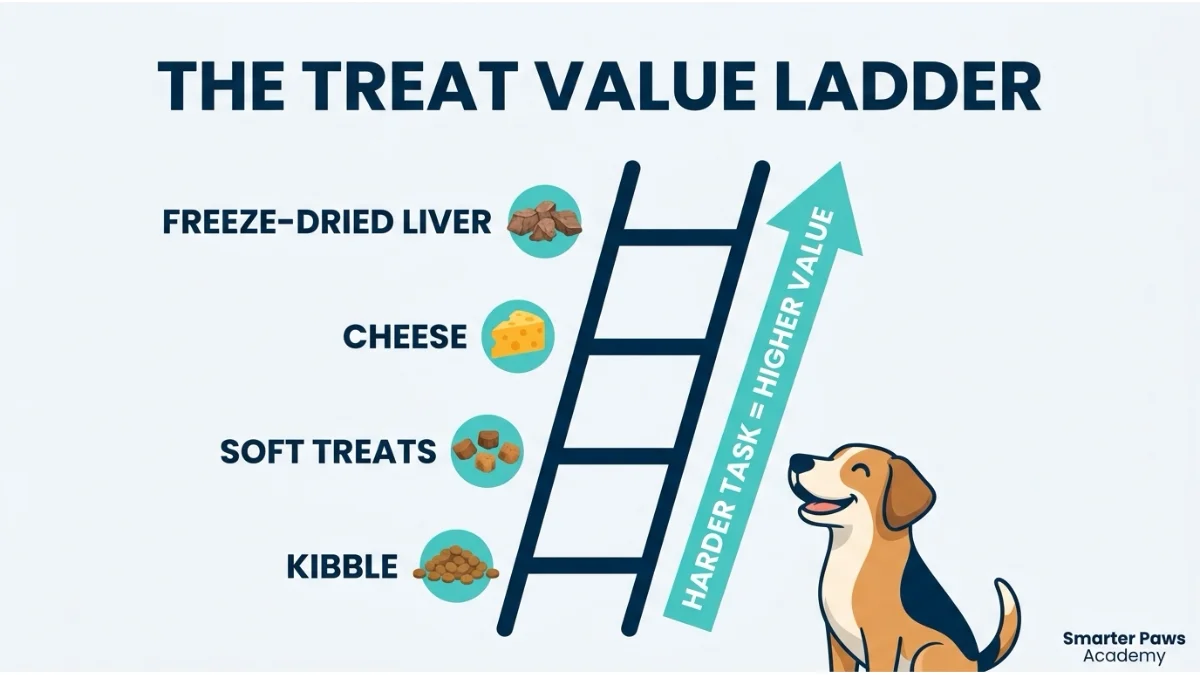
Value is the trait owners underrate the most. A treat’s value is decided by your dog, not the label, and it should rise with the difficulty of the task. I keep three tiers on hand: kibble for easy home reps, a soft everyday treat for normal sessions, and something like freeze-dried meat for hard, distracting places. The American Kennel Club and most veterinarians recommend keeping all treats under 10% of daily calories, so small and low-calorie always wins.
Ingredients round out the picture, especially for dogs with sensitivities. Look for short, recognizable ingredient lists and a named protein first, and avoid heavy fillers or artificial dyes. If your dog has a sensitive stomach, my guide to the best dog food for a sensitive stomach covers gentle proteins that apply to treats too.
What Are the Best Training Treats for 2026?
My top picks below each earn their spot for a specific job, from tiny puppy rewards to high-value distraction-busters. I chose them for size, softness, clean ingredients, and how reliably my clients’ dogs respond to them. Every one supports positive reinforcement by making the reward genuinely worth your dog’s effort.
Best Overall: Zuke’s Mini Naturals
Zuke’s Mini Naturals are my everyday go-to because they check every box for training. Each treat is soft, moist, and only about 2 to 3 calories, so you can reward dozens of times in one session without overfeeding. Real meat leads the ingredient list, and the tiny size is perfect straight from the bag. This is the treat I hand new clients first, and it rarely disappoints.

Best for Tiny Dogs and Puppies: BIXBI Liberty Trainers
BIXBI Liberty Trainers are ideal when you need the smallest possible reward. Small, low in calories and made grain-free with a short ingredient list, they suit small breeds and young puppies who fill up fast. The soft texture breaks easily if you want to stretch a single treat further. For a piranha-phase puppy, these let you reward gentle mouths again and again.

Best Single-Ingredient: PureBites Mini Trainers
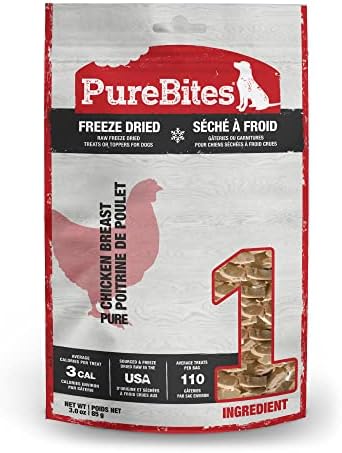
PureBites Mini Trainers are the cleanest option for sensitive dogs. They are true single-ingredient, freeze-dried treats with no fillers, preservatives, or added flavors, and just 1 to 3 calories per piece. Freeze-dried meat is intensely aromatic, which makes these punch above their size for value. I reach for these when a dog needs a clean diet but still needs strong motivation.
Best High-Value for Distractions: Stewart Freeze-Dried Liver
Stewart Pro-Treat freeze-dried beef liver is my secret weapon for hard environments. Single-ingredient liver is one of the most motivating foods on earth for most dogs, so I save it for busy parks, recall practice, and reactive-dog work. One treat breaks into several pea-sized pieces, so a little goes a long way. When a dog “won’t listen” outdoors, the real problem is often just treat value, and this fixes it.

Best Bakery-Style: Bocce’s Bakery Training Bites
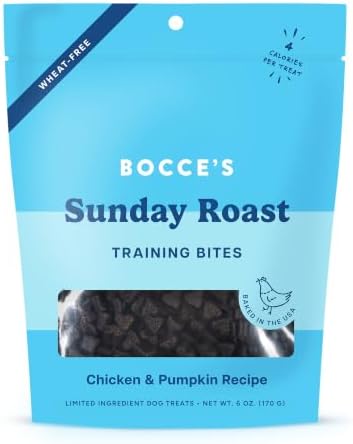
Bocce’s Bakery Training Bites suit owners who want small-batch, clean-label treats. They are about 3 calories each, easy to break, and baked in the U.S. with short, readable ingredient lists. The soft texture works well for quick rewards, and the limited ingredients help with mild sensitivities. These are a great everyday option for owners who read labels closely.
How Do You Compare the Top Training Treats?
The quick comparison below matches each treat to the job it does best. Use it to pick a starting point, then adjust based on your own dog’s taste and any dietary needs. There is no single “best” for every dog, only the best for a given task and diet.
| Treat | Best For | Approx. Calories |
|---|---|---|
| Zuke’s Mini Naturals | Everyday all-purpose training | ~2-3 each |
| BIXBI Liberty Trainers | Small breeds and puppies | Very low |
| PureBites Mini Trainers | Sensitive dogs, clean diet | ~1-3 each |
| Stewart Freeze-Dried Liver | High-distraction, recall, reactivity | Low (breaks up) |
| Bocce’s Training Bites | Clean-label everyday use | ~3 each |
How Do You Use Training Treats the Right Way?
Use treats to mark and pay the exact behavior you want, the instant it happens. Good timing is what turns food into learning, because the reward has to land within a second or two of the behavior. A treat pouch on your hip makes this fast, and pairing it with a clicker or a happy “yes” sharpens it further. My clicker training guide shows the exact marker mechanics.
Fade the food as skills become reliable, so you do not create a dog who only works for a visible treat. Once a behavior is solid, start rewarding every second or third success instead of every time, then mix in praise and play. This keeps the behavior strong while weaning off constant food. You are building a habit, not a vending-machine relationship.
Balance the calories on heavy training days with a simple tweak. Trim your dog’s regular meal slightly when you have done a lot of treat-based work, and lean on the lowest-calorie treats for long sessions. This keeps training guilt-free and your dog trim. Small adjustments prevent the slow creep of extra weight. If you are raising a new puppy, my complete puppy training guide shows where treats fit into the first months, and my plan to stop puppy biting uses these tiny rewards to teach gentle mouths.
Frequently Asked Questions About Dog Training Treats
What treats do professional dog trainers use?
Professional trainers use small, soft, high-value treats and often keep several tiers on hand. Common choices include soft meaty treats like Zuke’s Mini Naturals for everyday work and freeze-dried liver for high-distraction settings. The shared traits are tiny size, fast eating, and strong motivation. Trainers match the treat’s value to how hard the task is.
How many treats can I give during training?
You can give many treats during training as long as they stay under 10% of your dog’s daily calories. Using treats that are only 1 to 3 calories each lets you reward often without overfeeding. On heavy days, trim the regular meal slightly to balance it. Small, low-calorie treats are what make frequent rewards safe.
Are human foods good training treats?
Some human foods work well, such as small bits of plain cooked chicken or low-fat cheese. Avoid anything toxic to dogs, including grapes, raisins, onions, garlic, chocolate, and xylitol. Keep pieces tiny and count them toward the daily treat limit. When in doubt, a purpose-made low-calorie training treat is the safer, tidier choice.
What is a high-value treat for dogs?
A high-value treat is one your dog rarely gets and finds especially exciting, often a soft, meaty, or strongly scented food. Freeze-dried liver, real chicken, and soft meat treats are common examples. You save these for hard tasks, new environments, and recall training. Value is defined by your dog’s enthusiasm, not by cost.
Can puppies have training treats?
Yes, puppies can have training treats as long as they are small, soft, and puppy-appropriate. Tiny treats around 2 to 4 calories each are ideal because puppies fill up fast and need many gentle repetitions. Introduce new treats one at a time to watch for tummy upset. Always keep treats within the 10% daily calorie guideline.
The Right Treat Turns Training Into a Game
The best training treat is the one that makes your dog’s eyes light up and keeps them coming back for more. When the reward feels worth it, training stops being a chore and becomes the highlight of your dog’s day. Start with a soft, small, everyday treat, keep a high-value option for the hard moments, and watch how quickly your dog learns.
Pick one from the list above, grab a treat pouch so your timing is fast, and take it into your next short session. Reward generously at first, fade the food as skills lock in, and enjoy the eager, focused dog you are building. Good treats do not just teach behaviors, they build a dog who loves to learn with you.