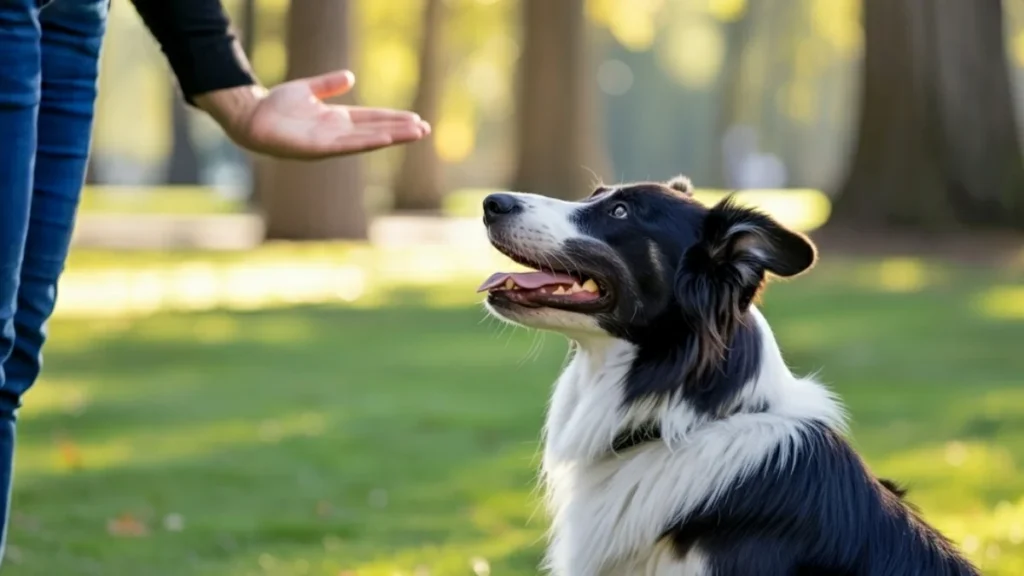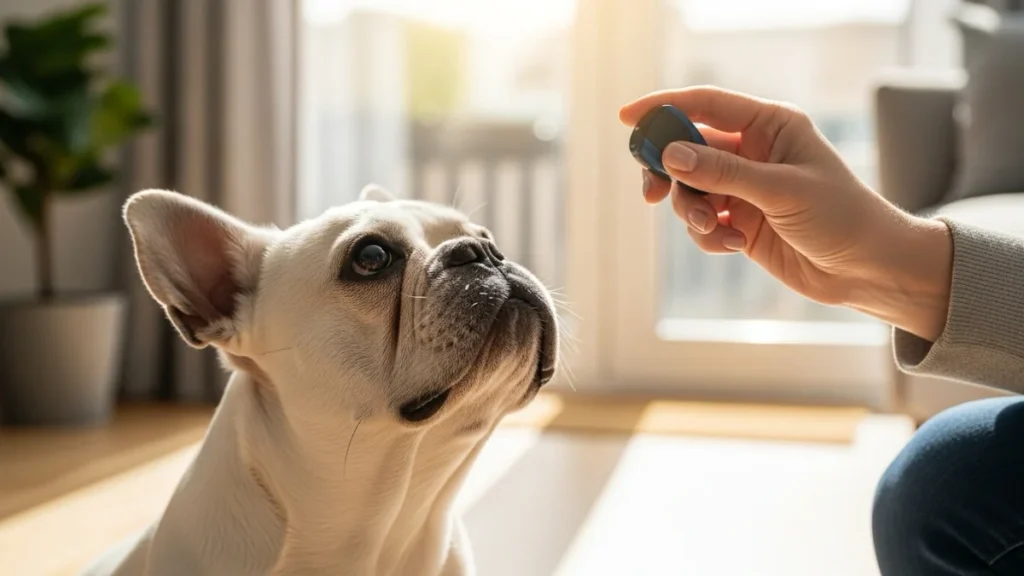
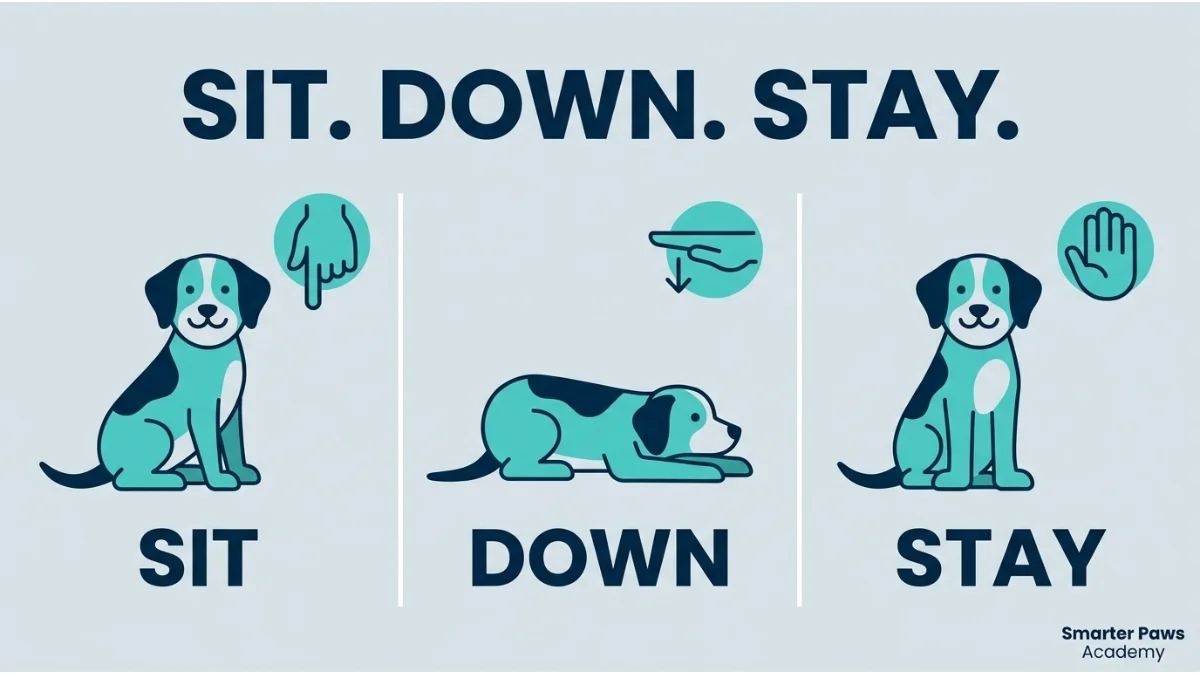

Basic commands give you and your dog a shared language, and sit, down, and stay are the three that matter most. These simple cues make daily life smoother and are the foundation for everything else you will teach. As a certified professional dog trainer, I start every dog with these basics, taught with positive reinforcement so learning feels like a game. This guide walks you through each one, step by step.
We will cover why these commands matter, exactly how to teach sit, down, and stay, and how to make them stick around distractions. Every method here is reward-based, so your dog learns eagerly and trusts you more with each session. Let us build your dog’s first real vocabulary together.
Smarter Paws Academy is reader-supported. When you buy through links on our site, we may earn an affiliate commission at no extra cost to you. As an Amazon Associate, I earn from qualifying purchases. Thank you for your support!
Last Updated: September 2026. This guide is regularly reviewed for accuracy by Sandie Calloway, CPDT-KA.
Important Behavior Disclaimer
The information in this article is for educational purposes and reflects my experience as a certified dog trainer. Keep sessions short and positive, and never force your dog into a position. If your dog resists lying down or seems sore, check with your veterinarian, as discomfort can look like stubbornness.
Key Takeaways: Teaching Basic Commands
- Lure, mark, reward. Use a treat to guide the position, mark the moment, then pay, and fade the lure fast.
- Add the word after the action. Say the cue only once your dog reliably offers the position, so the word has meaning.
- Keep sessions tiny. Two to five minutes, a few reps, and end on a win to keep your dog eager.
- Proof it everywhere. Practice in new places and around distractions so the cue works in real life, not just the kitchen.
Prefer to Listen? An Audio Overview
For a friendly walk through teaching sit, down, and stay, press play below.
Runtime: 1:02
View Full Audio Transcript
Narrator: Welcome to the Smarter Paws Academy audio overview. Sandie, where should a brand-new owner start with obedience?
Sandie Calloway: Sit, down, and stay. Those three give you a shared language for daily life. Sit for greetings and calm, down for a longer settle, stay for safety and self-control. Master those and you have the foundation for everything else.
Narrator: What is the basic technique?
Sandie Calloway: Lure, mark, reward. You use a treat to guide your dog into the position, mark the exact moment with a click or a “yes,” then pay them. And here is the key that people miss, you fade that food lure quickly, within a handful of reps, so your dog is not depending on seeing a treat.
Narrator: When does the word come in?
Sandie Calloway: After the action, not before. A lot of owners repeat “sit, sit, sit” while the dog has no idea what it means. You wait until your dog is reliably offering the position, then you add the word right as they do it. Now the word actually predicts the behavior.
Narrator: Lure and fade, and add the word after.
Sandie Calloway: That is the whole method. Keep it short and happy and your dog learns these fast.
Table of Contents
Why Should You Teach Your Dog Basic Commands?
Basic commands give you a shared language that makes everyday life safer and calmer. A dog who knows sit, down, and stay can greet guests politely, settle in a cafe, and wait safely at a curb. These are not tricks, they are practical life skills that prevent problems before they start. A common vocabulary is the foundation of a well-mannered dog.
Teaching these cues also builds focus and a working relationship with you. Every short training session teaches your dog that paying attention to you pays off, which carries over into harder situations later. This is the same reward-based foundation I cover in my guide to positive reinforcement training. The skills matter, and so does the habit of teamwork they build.
Basic commands are also the launchpad for everything more advanced. A solid stay makes recall, polite greetings, and impulse control far easier to teach down the road. Skills compound, so time spent on the basics pays off across your dog’s whole education. Build a strong foundation and the rest comes faster.
How Do You Teach a Dog to Sit?
You teach sit by luring your dog’s nose up and back so their bottom naturally lowers, then rewarding. Hold a treat at your dog’s nose, slowly move it up and slightly over their head, and as their head follows, their rear drops into a sit. The moment their bottom touches the floor, mark with a click or “yes” and reward. This captures the position without any pushing.
Fade the food lure quickly so your dog is not dependent on seeing a treat. After a handful of successful lures, make the same hand motion with an empty hand, then reward from your other hand or pouch. This shifts your dog from following food to responding to a gesture. Fading the lure early is what turns a trick into a reliable cue.
Add the word “sit” only once your dog is reliably offering the motion. Say “sit” just as they begin to lower, so the word predicts the action, then reward. My guide to clicker training shows the exact marker timing that makes this crisp. With practice, the word alone will produce a smart, quick sit.
How Do You Teach a Dog to Lie Down?
You teach down by luring your dog from a sit toward the floor between their paws. Start with your dog in a sit, hold a treat at their nose, and slowly lower it straight down to the floor, then draw it slightly toward you along the ground. As your dog follows the treat down, their elbows lower into a down, and you mark and reward the moment they are flat. Patience here beats any pressure on the body.
Some dogs need the lure broken into smaller rewards on the way down. If your dog only dips partway, reward that first, then shape a little more depth each try until they are fully down. Rewarding progress keeps a hesitant dog trying. Never push your dog down, since force creates resistance and mistrust.
Add the cue “down” once the position is reliable, saying it as your dog lowers. Fade the lure the same way you did with sit, moving to an empty-hand signal and then the word. A hand signal works beautifully here, which ties into my hand signals guide. Soon a quiet “down” will settle your dog anywhere.
How Do You Teach a Dog to Stay?
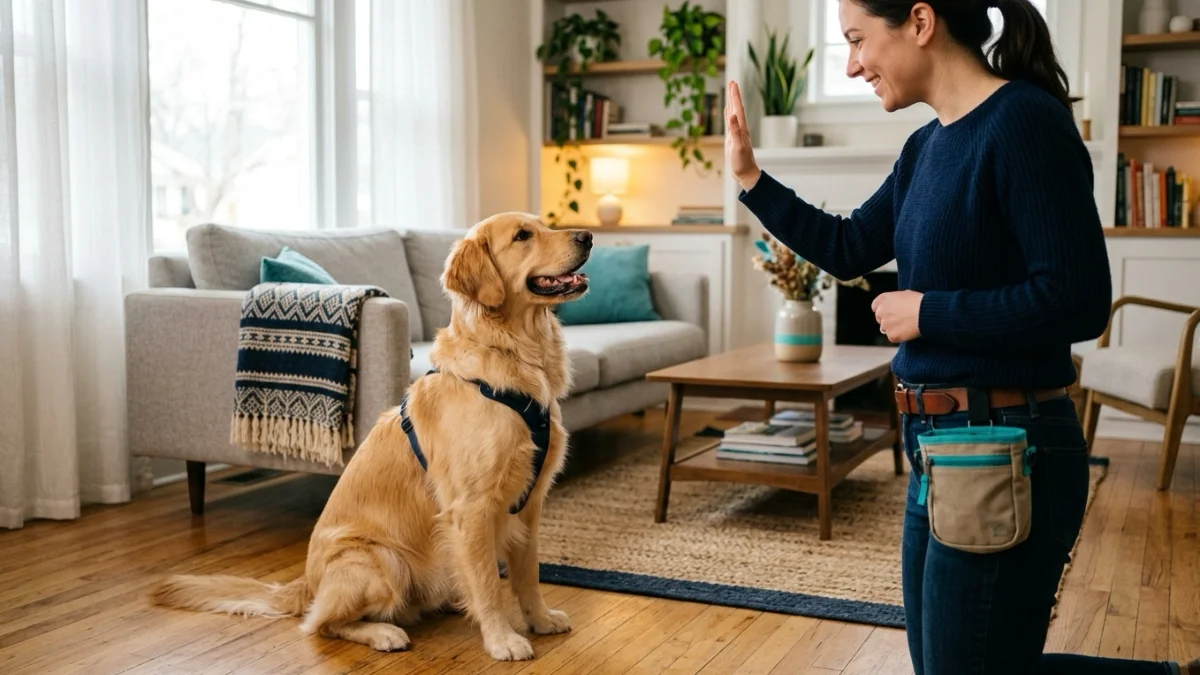
You teach stay by rewarding your dog for holding a position, starting with just one second. Ask for a sit or down, then mark and reward before your dog moves, building duration one small step at a time. Stay is really a game of “the longer you hold, the more you earn.” Starting tiny is what prevents failure and frustration.
Build stay along three separate dimensions: duration, distance, and distraction. Work on only one at a time, so you might add seconds first, then take a step back, then practice near a mild distraction, always lowering the difficulty of the others. Pushing all three at once is the most common reason stay falls apart. Raise one variable and keep the rest easy.
Use a clear release word so your dog knows when the stay is over. A word like “okay” or “free” tells your dog they can move, which keeps the stay crisp until you release it. Reward during the stay, not just at the release, so holding stays rewarding. A reliable stay is one of the most useful skills your dog will ever learn.
How Do You Make Basic Commands Reliable Everywhere?
You make commands reliable by proofing them in new places and around distractions. A dog who sits perfectly in the kitchen may ignore the cue at the park, because skills do not automatically transfer. You rebuild each cue in gradually harder settings, rewarding generously as the difficulty rises. Proofing is what turns a living-room trick into a real-life skill.
Raise your reward value as the environment gets harder. Around strong distractions, use your dog’s favorite treats so the cue can compete with the excitement, and my guide to the best training treats helps you choose. Higher stakes deserve higher pay. Match the reward to the challenge and your dog keeps responding.
Keep sessions short, frequent, and upbeat throughout. Two to five minutes a few times a day teaches more than one long, tiring drill, and ending on a success keeps your dog eager for next time. Consistency across the household matters too. Little and often, kept positive, is the recipe for reliable cues.
Frequently Asked Questions About Basic Dog Commands
What are the most important commands to teach a dog first?
The most important first commands are name recognition, sit, down, stay, and come. These give you a shared language for daily life and safety, and they form the base for more advanced skills. Sit and down build calm and control, while stay and come add safety. Master these before moving on to anything fancier.
How long does it take to teach a dog to sit?
Many dogs learn the sit motion within a few short sessions, sometimes in a single day. Building a reliable sit on a verbal cue and around distractions takes longer, usually a week or two of consistent practice. Keep sessions short and rewarding to speed it up. Reliability everywhere is the real goal, not just the first success.
Should I use hand signals or verbal cues?
Both work well, and teaching both gives you flexibility. Dogs often read hand signals even more easily than words, which helps in noisy places or with aging dogs. Many trainers pair a hand signal with a verbal cue so either one works. Teaching both makes your communication clearer and more reliable.
Why does my dog obey at home but not outside?
Your dog obeys at home but not outside because the outdoor world is far more distracting and the cue has not been proofed there. Skills do not transfer automatically, so you rebuild each command in new places with higher-value rewards. Practice gradually in busier settings. Proofing is what makes commands work in real life.
Is it too late to teach an older dog basic commands?
No, it is never too late to teach an older dog basic commands. Adult and senior dogs learn well with positive reinforcement and often focus better than puppies. The same lure, mark, and reward method works at any age. Patience and short, positive sessions are all your older dog needs.
A Shared Language Makes Everything Easier
Teaching sit, down, and stay is about far more than obedience, it is about building a way to communicate with your dog. Each cue you teach gives you a shared word that makes daily life calmer, safer, and more connected. Those first commands are the foundation your whole relationship builds on.
Grab some great treats, pick one command, and keep your first sessions short and full of wins. Lure and fade, add the word after the action, and proof it slowly in new places. Little by little, you will give your dog a real vocabulary and yourself a calmer, more responsive companion.