Smarter Paws Academy
The best calming products help take the edge off your dog’s anxiety so training can do its real work. They are support tools, not magic cures, and the right one depends entirely on what triggers your dog’s stress. Anxiety sits behind many struggles, from thunderstorm panic to separation distress, and the kindest approach combines gentle aids with a solid behavior plan. This guide covers the calming products I trust and how to use them.
We will cover the main types of calming aids, how to match one to your dog’s specific pattern of stress, and my top picks for 2026. Every product here is force-free and comfort-focused, never a punishment or a quick suppression of symptoms. Let us help your anxious dog feel safer, one gentle step at a time.
Smarter Paws Academy is reader-supported. When you buy through links on our site, we may earn an affiliate commission at no extra cost to you. As an Amazon Associate I earn from qualifying purchases. Thank you for your support!
Last Updated: September 2026.
Important Health Disclaimer
The information in this article is for educational purposes only. It is not veterinary advice. Always talk to your veterinarian before giving any calming supplement or chew, since ingredients can interact with medications or health conditions. Severe or worsening anxiety needs a veterinary or veterinary behaviorist assessment.
Key Takeaways: Best Calming Products for Dogs
- Match the aid to the trigger. Event-based stress like storms needs a different tool than daily background anxiety.
- Aids support training, not replace it. Calming products lower the stress so behavior work can actually take hold.
- Ask your vet first. Talk to your veterinarian before any calming chew or supplement, especially with other medications.
- Severe anxiety needs a pro. True separation anxiety or panic calls for a vet or veterinary behaviorist, not just a product.
Table of Contents
What Causes Anxiety in Dogs?
Dog anxiety comes from specific triggers, and identifying the trigger is the first step to helping. Common causes include loud events like storms and fireworks, being left alone, unfamiliar people or dogs, and changes in routine or environment. Some dogs have a general, low-level anxiety, while others panic only in specific situations. Knowing which pattern your dog has points you to the right support.
Anxiety shows up in the body and behavior, not just in obvious panic. Pacing, drooling, trembling, excessive barking, destructive chewing, and clinginess can all signal stress. Many owners mistake these for misbehavior when they are really cries for help. Reading these signs correctly changes how you respond, from frustration to compassion.
Whole-dog care can work better than treating one symptom in isolation.
What Types of Calming Products Are There?
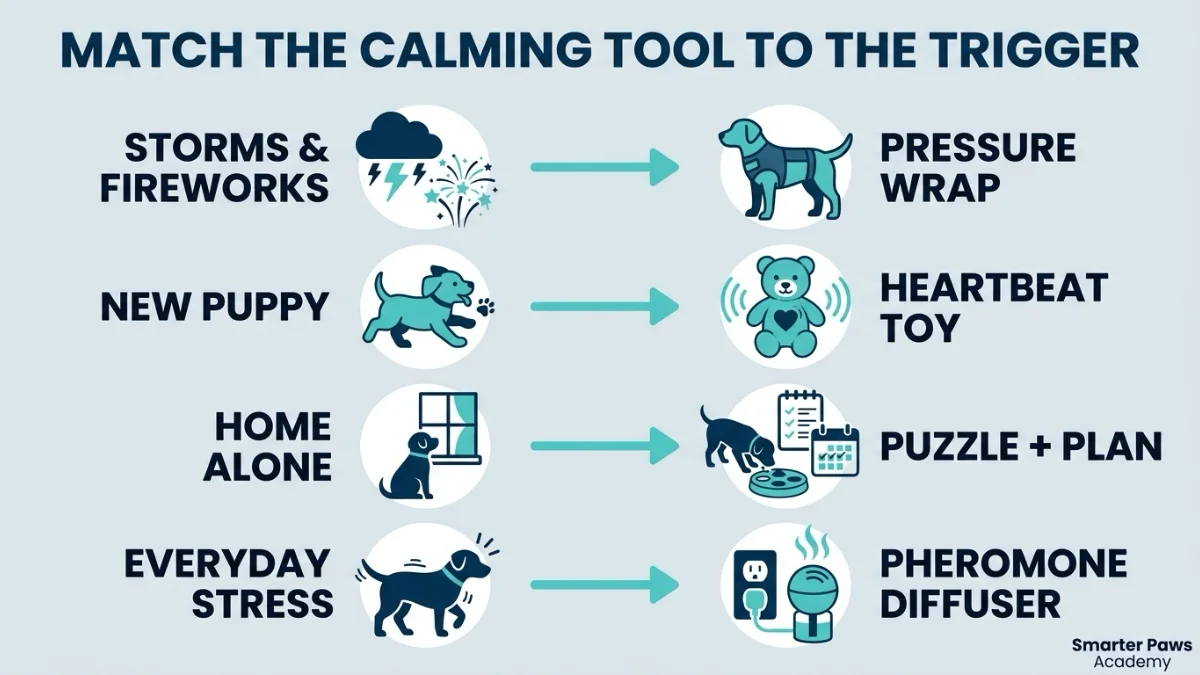
Calming products fall into a few main categories, each suited to a different kind of stress. Pheromone diffusers work in the background, pressure wraps are for events like storms, cozy beds give a safe nest, and calming chews add ingredients some dogs are given for stress. Matching the category to your dog’s trigger is what makes a product actually help. There is no single best type, only the best fit.
Event-based stress and everyday anxiety call for different tools. For sudden fear during storms or fireworks, a pressure wrap or a fast-acting aid makes sense, while ongoing household anxiety suits a diffuser or a comforting bed. The American Kennel Club advises separating daily anxiety from event-based stress before choosing a product. This simple split saves you money and frustration.
Whatever category you choose, remember these are supports that work alongside training. A calming aid lowers your dog’s stress enough that they can learn a calmer response, but the aid alone rarely fixes the root cause. Pair any product here with a positive behavior plan for lasting results. The tool buys you a calmer starting point, and the training builds the change.
What Are the Best Calming Products for 2026?
My picks below cover the main categories so you can match one to your dog’s specific stress. I chose them for comfort and force-free design. Each supports a calmer dog without any punishment or suppression.
We don’t test products ourselves. These picks are based on each product’s published information, and a commission never changes a pick.
Best for General Anxiety: ThunderEase Pheromone Diffuser (Powered by Adaptil)
A pheromone diffuser is my quiet, always-on pick for everyday household anxiety. It releases a synthetic copy of the dog-appeasing pheromone, modeled on the one a nursing mother dog gives off. Some owners use it alongside training for everyday stress. It is odorless to humans and works passively in the room where your dog spends the most time. For general, low-level anxiety, it is an easy first step to try.

Best for Storms and Fireworks: ThunderShirt Calming Wrap
The ThunderShirt is my go-to for dogs who panic during specific loud events. It applies gentle, constant pressure around the torso, a bit like a reassuring hug, which can help many dogs feel more secure during storms or fireworks. You put it on before the trigger starts for the best effect. For event-based fear, this drug-free wrap is a simple, well-loved option.

Best Safe-Space Bed: Calming Donut Bolster Bed
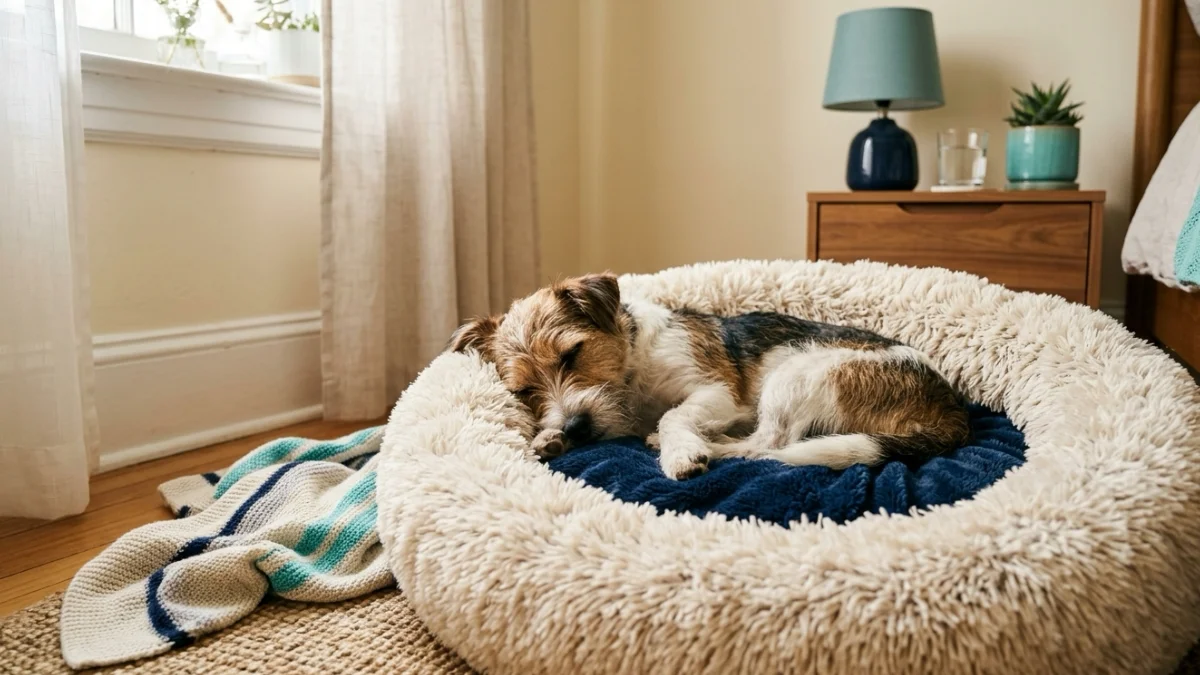
A round, bolstered “donut” bed gives an anxious dog a nest to curl into and feel protected. The raised rim supports a dog’s instinct to burrow and rest their head, which many nervous dogs find deeply soothing. Placed in a quiet corner, it becomes a reliable safe retreat. For dogs who need a secure home base, a good calming bed is a gentle everyday comfort.

Best for New Puppies: Snuggle Puppy Heartbeat Toy
The Snuggle Puppy eases the anxiety of a newly separated puppy. It mimics the warmth and heartbeat of littermates, which comforts a puppy adjusting to sleeping alone and can reduce night crying. It is a simple, drug-free comfort item for the youngest, most vulnerable stage.

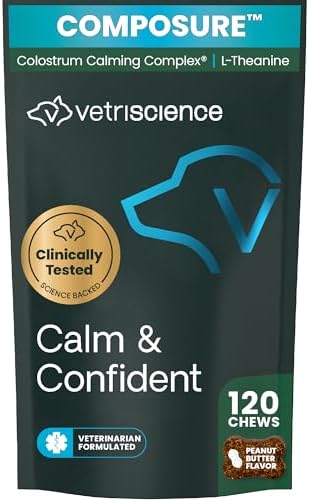
Vet-Formulated Support: Calming Chews (Ask Your Vet First)
Calming chews offer ingredient-based support for some anxious dogs, but they require a vet conversation first. Your veterinarian can tell you whether a calming chew suits your dog and their health; the Merck Veterinary Manual notes that some supplements can help anxious dogs, alongside training. Never combine supplements with other medications without professional guidance. Used under vet advice, a quality chew can be one part of a calming plan.
How Do the Top Calming Products Compare?
The table below matches each product to the type of anxiety it suits best. Use it to pick a starting point based on your dog’s trigger. Remember to pair any choice with training for lasting change.
| Product | Type | Best For |
|---|---|---|
| ThunderEase Diffuser | Pheromone | Everyday background anxiety |
| ThunderShirt | Pressure wrap | Storms, fireworks, events |
| Calming Donut Bed | Safe-space bed | Dogs needing a secure nest |
| Snuggle Puppy | Comfort toy | New puppies, night crying |
| Calming Chews | Supplement (vet first) | Ingredient-based support |
How Do You Help an Anxious Dog Beyond Products?
The most powerful help for an anxious dog is a positive behavior plan that changes how they feel about their triggers. Calming products lower the stress in the moment, but training teaches your dog that the scary thing is actually safe. This is done gradually, pairing the trigger with good things at a distance your dog can handle. Real change comes from shifting the emotion, not just muffling it.
Enrichment and routine also do heavy lifting for anxious dogs. A predictable daily rhythm and daily mental exercise, like the puzzle toys in my enrichment guide, give a nervous dog stability and a healthy outlet. A tired, mentally satisfied dog simply has less capacity for anxiety. Structure is quietly one of the kindest anxiety tools there is.
For serious anxiety, please bring in a professional rather than going it alone. True separation anxiety, panic, or anxiety-driven aggression needs a veterinarian or veterinary behaviorist who can build a tailored plan and, when appropriate, discuss medication. There is no shame in this, it is the fastest path to relief. Products and training help, but some cases need expert support. If the worry shows up after dark, my plan to stop dog barking at night covers the calm-down routine, and a positive crate routine gives many dogs a den where they feel safe.
Frequently Asked Questions About Calming Products for Dogs
Do calming products for dogs actually work?
Some calming products genuinely help, but results vary by dog and by how well the product matches the trigger. Calming products work best as support alongside a positive behavior plan, not as a standalone cure. Matching the product to your dog’s specific anxiety is what determines success.
What is the best calming product for separation anxiety?
There is no single product that cures separation anxiety, which usually needs a dedicated behavior plan. A pheromone diffuser, a frozen enrichment toy at departure, and gradual alone-time training can all help as part of a bigger approach. True separation anxiety often needs a veterinarian or veterinary behaviorist. Products support the plan, but they do not replace it.
Are calming chews safe for dogs?
Calming chews can be safe, but you should always check with your veterinarian before giving them. Ingredients vary widely, and some can interact with medications or health conditions, so “natural” does not automatically mean safe. Your vet can confirm whether a specific chew suits your dog. Never combine supplements with other medications without professional guidance.
How long do calming products take to work?
Some products go on right before an event, like a pressure wrap, and others run every day in the background, like a pheromone diffuser. Your vet can tell you what fits your dog. Some supplements are designed for gradual, longer-term support. Follow the product instructions and give background aids time to take effect.
Can anxiety in dogs be cured?
Many dogs improve dramatically with the right combination of management, calming support, and positive training, though some need ongoing help. The goal is usually to reduce the anxiety to a manageable, comfortable level rather than erase it entirely. A veterinary behaviorist can guide more severe cases. Consistent, compassionate support gives most anxious dogs a much happier life.
Helping Your Anxious Dog Feel Safe Again
An anxious dog is not being difficult, they are asking for help feeling safe. The right calming product can take the edge off that fear, giving your dog the breathing room to learn that the world is not so scary after all. Comfort first, then training, is the path to a genuinely calmer dog.
Start by identifying your dog’s trigger, pick the calming aid that matches it, and check in with your vet on anything they will ingest. Then pair that support with patient, positive training and a steady routine. Step by gentle step, you can help your anxious dog find the calm and security they deserve.
Sandie Calloway is the pen name of the Smarter Paws Academy team. How we write